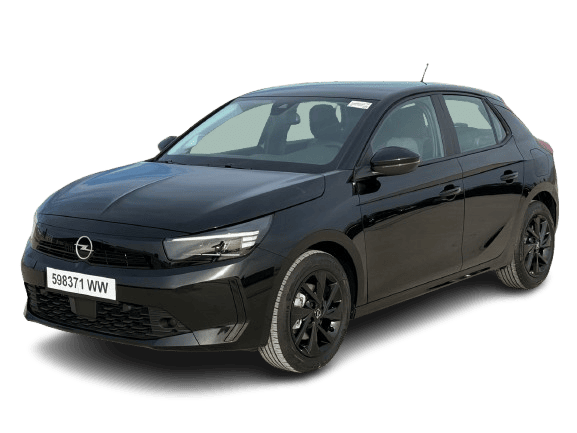
Opel Corsa
Deposit 5,000 MAD
1,438 MAD288 MAD / day · 5 days
ViewCars from verified local agencies in Morocco’s main cities and airports. The total price and the payment terms are shown before you book.
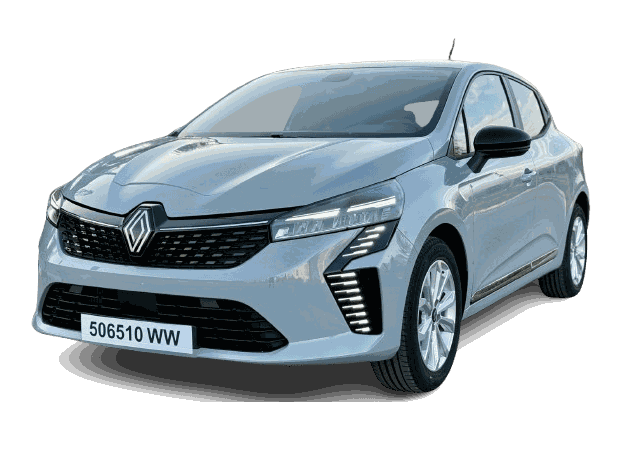
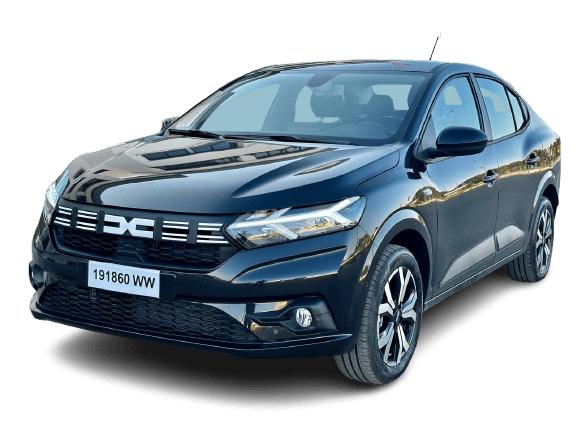
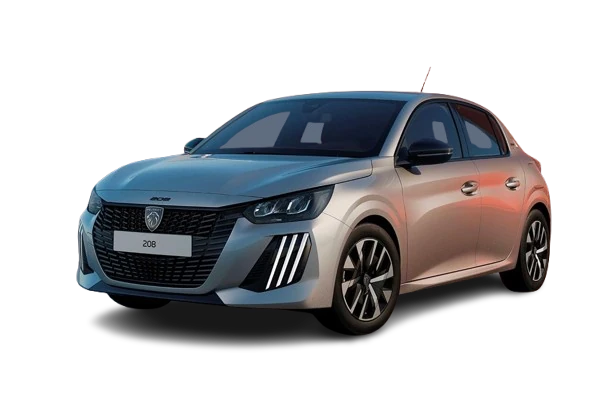
Enter the city and your dates: the total price is shown before you book, service fee included, with the deposit set by the agency.
Your request goes to verified agencies, and the first one to accept takes the booking. You pay according to the payment terms shown when you book.
Show your voucher (QR code and PIN code) at the agency, or have the car delivered within the rental city, to the airport, your hotel or riad, when the agency delivers.
Morocco is best explored at your own pace. Between the Atlantic coast, the Rif and Atlas mountains, the imperial cities and the edge of the desert, many of the finest places lie far from railway stations and bus routes. With a car you can stop at a Berber village, a kasbah or an empty beach whenever you like, without watching a timetable.
A car also suits families and small groups: luggage, children and car seats travel together, and the cost is shared. The main cities are linked by a modern motorway network, which makes long journeys comfortable.
On Cardnd you rent from local agencies verified by Cardnd. You pick a model, the request goes to verified agencies, and the first one to confirm takes the booking. The total price, service fees included, is shown before you book. You pay according to the payment terms shown when you book.
The right starting point depends on your route. Marrakech is handy for the Atlas, Essaouira and the road to the desert. Casablanca and Rabat are central for the Atlantic coast and the imperial cities. Tangier and Tetouan open up the north and the Rif, Fez and Meknes the Middle Atlas, Agadir the Souss and the south, Oujda and Nador the Oriental region, and Dakhla the wide Saharan spaces. Kenitra is close to Rabat.
As for the car, a small city car is enough for towns and motorways: it is easy to park and light on fuel. For the Atlas, mountain passes or tracks towards the desert, an SUV or 4×4 gives you ground clearance and comfort. If you would rather not change gear in traffic jams, automatics are common in the big cities. And if you are travelling as a family, think about boot space.
Morocco’s motorway network links the main cities. The A1 joins Rabat and Casablanca and runs on down the coast to El Jadida and Safi, the A5 runs from Rabat to Tangier and Tanger Med via Kenitra, the A2 runs from Rabat to Meknes, Fez and Oujda, and the A3 heads south from Casablanca to Marrakech and on to Agadir.
Motorways are tolled, with toll plazas along the way. You can pay at the booth, and there is also an electronic toll badge, Jawaz, that lets you drive through without stopping. Ask the agency whether the car has one.
Off the motorway, national and regional roads wind through villages, passes and valleys. They are usually slower: lorries, carts, pedestrians and animals share the road, and mountain roads twist and turn. Allow extra time, avoid driving small roads at night where you can, and fill up before remote areas, where fuel stations are fewer.
In Morocco you drive on the right. Seat belts are compulsory in the front, and in the back outside built-up areas: buckle up in every seat. Using a phone at the wheel is forbidden. Speed limits are signposted and differ between towns, roads and motorways: stick to them, as speed checks are frequent.
Police and gendarmerie checkpoints are common, especially on the way into towns and on national roads. Slow down, stay polite and keep your licence, ID and the vehicle papers from the agency within reach.
Roundabouts are everywhere and can be busy; local habits may surprise you, so edge in carefully and anticipate. In town, watch out for scooters, taxis pulling over suddenly and pedestrians. In the medinas, the lanes are usually closed to cars or simply too narrow: park outside and carry on on foot.
To rent a car on Cardnd, have three documents ready: an ID card or passport, a valid driving licence held for at least 2 years, and a bank card in the driver’s name. The deposit is taken by card imprint or in cash, depending on the agency.
The minimum age is usually 21, depending on the model and the agency. Some categories, such as premium cars, may ask for more driving experience: check the conditions shown on each car.
If your licence is not written in Latin script, or if you are unsure, find out before you travel whether you need an international driving permit; the agency can tell you what it accepts. On handover day, bring the originals: the agency checks your documents before giving you the keys.
The deposit is set by each agency and shown on every car’s page, so you can compare before booking. It is taken by card imprint or in cash, depending on the agency.
Once the car is returned, and provided there is no damage or fine, the deposit is released. How long the release takes may depend on your bank.
To avoid any misunderstanding, walk round the car with the agency at handover and on return, and photograph any scratches. The mileage included is shown on each car; unless stated otherwise, the car goes back with the same fuel level as at pickup: check the gauge together. If it is taken by card imprint, make sure your card limit covers it.
On Cardnd, when the agency delivers, you can have the car delivered to the address of your choice within the rental city. Choose delivery when you book and enter the address: airport, hotel, riad, railway station or port. Delivery fees are shown before payment, and some agencies deliver for free.
The agency sees the pickup time you chose before it accepts the request. Once confirmed, you receive a voucher with a QR code and a PIN code to show at handover.
For a riad in a medina, give a meeting point that cars can reach, such as a nearby gate or square, since the lanes often cannot. At the airport, pick a time that leaves room for formalities and luggage. On Cardnd, the car is returned where it was picked up.
Prices depend on the season, demand and the model more than on any fixed rule. Big cities such as Casablanca, Marrakech or Agadir often have more choice, which helps you find a good rate. The best approach is to compare your dates on Cardnd: the total price, service fees included, is shown before you book.
Yes, tarmac roads lead to the edge of the desert, for example towards Merzouga or Zagora, and an ordinary car will get you there. For tracks and sand, a 4×4 is essential and not every agency allows off-road driving. Check the agency’s conditions before you set off, and for the dunes themselves, consider a trip with a local driver.
A valid driving licence is always required. Depending on the issuing country and the language of your licence, an international driving permit may be useful or required, especially if your licence is not in Latin script. Rules can change, so check before you travel and confirm with the agency what it accepts.
On Cardnd, the car is returned where it was picked up: one-way rentals are not offered.
Spring and autumn are pleasant almost everywhere, with mild temperatures and green landscapes in spring. Summer is hot inland and in the south, while the coast stays cooler. In winter, snow can close some Atlas passes, so check road conditions before setting off. School holidays and summer bring high demand too, so book early.
It depends on the agency: the mileage included and the price of extra kilometres are shown on each car. The car goes back with the same fuel level as at pickup. Any specific conditions are shown on each car’s page: read them before booking, especially if you plan to cover long distances.
According to the payment terms shown when you book: they say what is pre-authorised online and what you pay at the agency. The deposit is taken by card imprint or in cash, depending on the agency.
Yes. The cancellation and refund terms for your dates are shown before you pay, and you cancel from “My trips”.